Cycling ranges from road racing and mountain biking to leisurely rides and commuting, making it one of the most accessible and globally popular forms of physical activity.

Cycling is a versatile sport and recreational activity that involves riding bicycles for fitness, competition, or transportation.
Cycling ranges from road racing and mountain biking to leisurely rides and commuting, making it one of the most accessible and globally popular forms of physical activity.

🌍 It’s an Olympic sport with multiple disciplines: road, track, mountain, and BMX.
🛣️ Road races like the Tour de France are among the most watched sporting events worldwide.
🏔️ Mountain biking became an Olympic discipline in 1996.
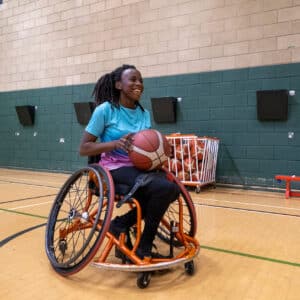
♿ Adaptive cycling exists for para athletes, using handcycles or modified bikes
Rules vary by discipline. In road cycling, riders compete to finish courses in the fastest time, often working in teams to draft and strategize. Track cycling takes place in velodromes with timed sprints and endurance races. Mountain biking emphasizes navigating rugged terrain, while BMX focuses on speed and tricks. Across all forms, safety gear and adherence to race regulations are essential.
Cycling can be enjoyed recreationally on trails, roads, or bike paths. Competitive levels include local club races, national championships, and international events like the UCI World Championships and the Olympics. Community programs also encourage youth and newcomers to participate, while para cycling ensures inclusivity.
Cycling builds cardiovascular endurance, leg strength, and core stability. It’s low-impact, making it joint-friendly compared to running. Mentally, it reduces stress, boosts mood, and fosters resilience. Group rides and races also strengthen social connections, making cycling both a fitness activity and a community builder.